

Influence becomes valuable when it creates stronger outcomes for other people.
Danson defines leadership through service, communication, initiative, preparation and the discipline to follow through.
Leadership starts before the title.
Danson’s strongest leadership experiences came from creating communities, serving alongside professionals, speaking publicly and learning how to build trust across very different groups of people.
His standard is simple: tell the truth, keep promises, prepare seriously, receive correction, treat people with dignity and make success useful to others.
Character is what makes ambition safe in the hands of another person.
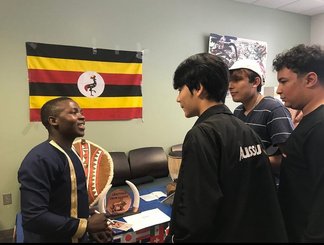
Creating the room when it does not exist.
Danson helped create Alpharetta Young Professionals as a recurring environment where emerging leaders could connect with experienced professionals.
That required outreach, hospitality, event coordination, communication and the ability to bring people from different backgrounds around a shared purpose. It taught him that initiative is the discipline of turning “someone should” into “I will begin.”
Professional excellence and humility can live together.
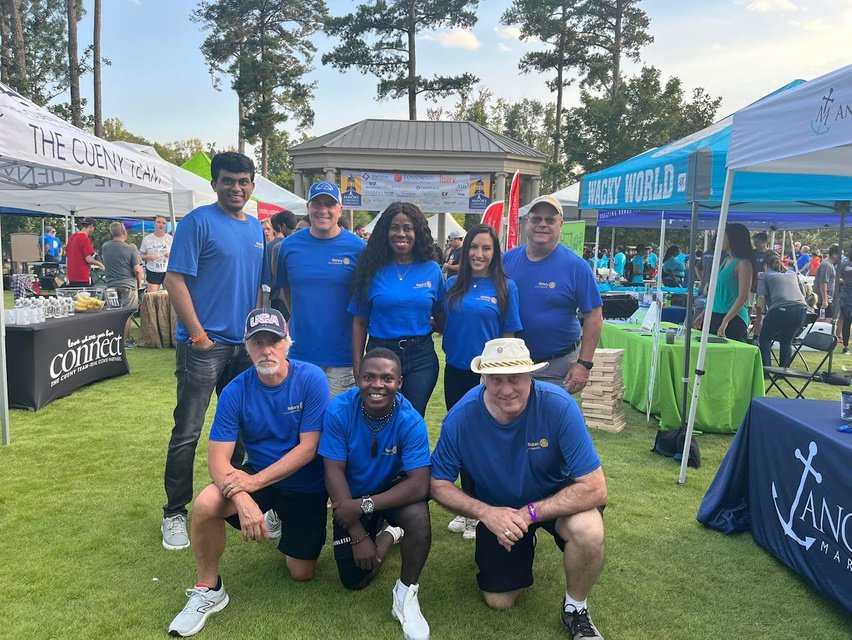
Through Alpharetta Rotary, Danson met professionals and civic leaders whose success did not make them distant. They remained approachable, generous and committed to service.
That experience changed how he defines influence. A trusted leader should not ask only, “What can I gain?” The better question is, “What does this person or organization need, and how can I help create a stronger outcome?”
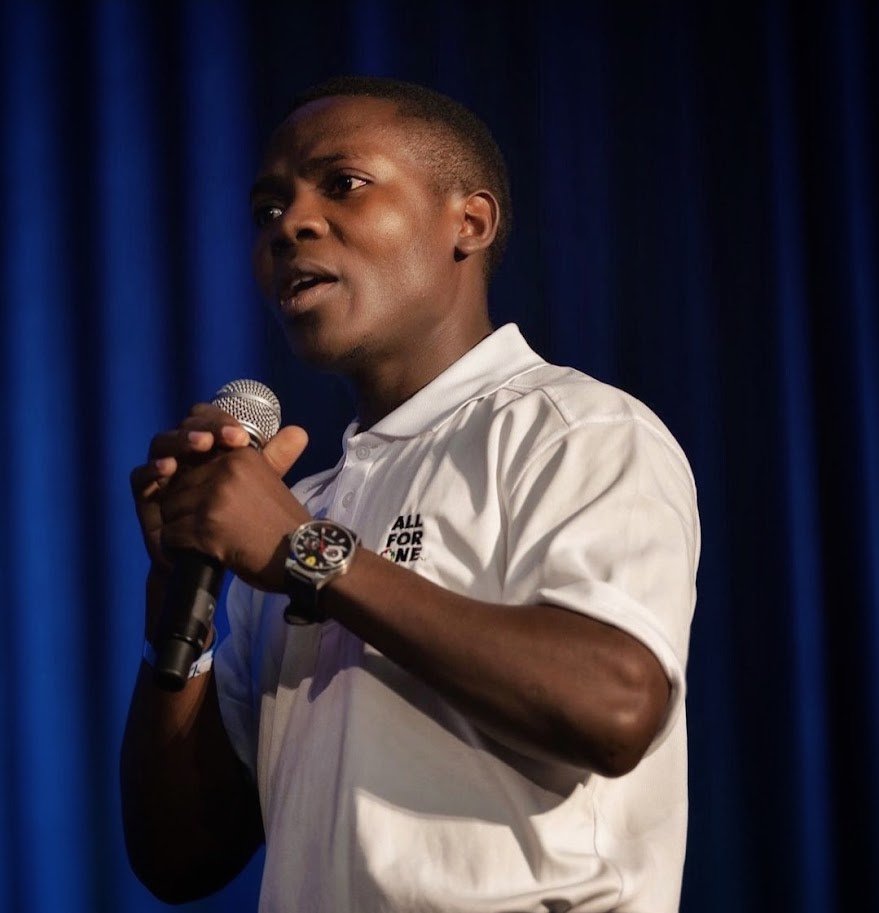
Make ideas clear, human and memorable.
Danson is comfortable communicating one-on-one, in groups and on stage. His cross-cultural experience helps him listen for context and explain ideas in ways that connect with the people in the room.
His speaking and representation experience spans professional, community, international and faith-based environments.
The room is only useful if it raises your standard.
Across the United States, Danson has met elected officials, university leaders, athletes, coaches, authors, entrepreneurs and civic leaders. He does not view those photographs as trophies. He views the conversations as education.
Prepare. Listen. Ask better questions. Turn access into responsibility.